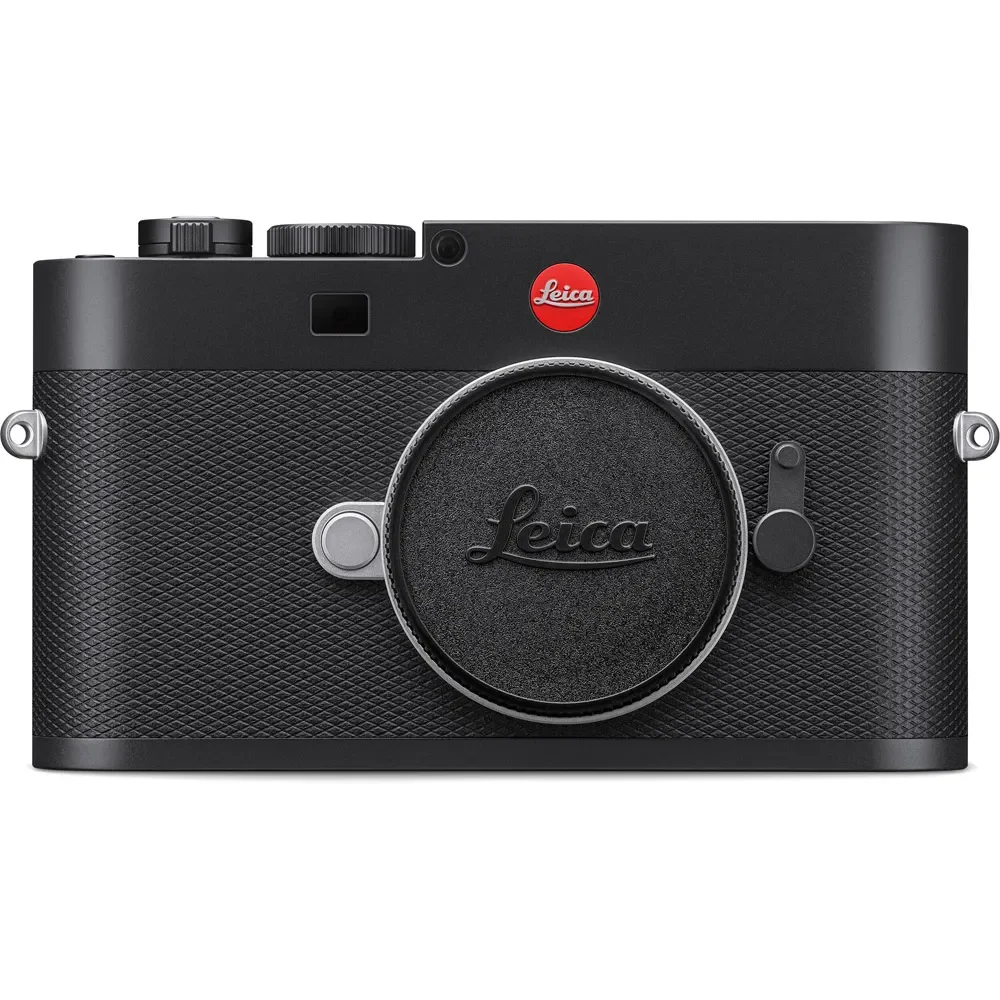
Leica M EV1
The Leica M EV1 was introduced on October 23, 2025. The author of this website had the fortunate opportunity to be among the first individuals in Canada to test out the prototype of Leica M EV1 during the Leica Society International 2025 Conference and Annual Meeting, which took place in Montreal, Quebec, on the same day.
According to the information published by Leica Camera Inc at the time of the launch, the availability of the Leica M EV1 in the U.S. was temporarily delayed due to the pending completion of the FCC listing and publication process, which was a standard regulatory requirement. Consequently, this device could not be offered for sale, leased, or delivered to end users in the United States until it received FCC certification. Additionally, it could not be displayed or operated in the U.S. until certification was obtained. Leica USA provided an update once the new release timeline and rescheduled in-store event dates were confirmed. The product launched as scheduled in all other regions.
Leica M EV1 was the first digital M camera with an electronic viewfinder and without optical rangefinder441. The camera was considered to be an addition to the existing line up of M cameras instead of being a replacement for one of them441.
The internal features of the camera were comparable to those of the Leica M11441. It was equipped with a backside-illuminated CMOS sensor that supported triple resolution, allowing it to capture photographs at 18, 36, and 60 megapixels441. The camera body was constructed from magnesium and aluminum441.
The Leica M EV1 featured focus peaking and magnification to assist with precise manual focusing441. These digital aids could be activated using a lever located next to the lens, which served as a frame-line selector in other M models441. Unlike the optical rangefinder, even the largest telephoto lenses would not obstruct the photographer's field of view, as the Leica M EV1 obtained its viewfinder image directly from the sensor441. The Live View image displayed the scene exactly as it appeared through the lens, similar to the rear display of the Leica M11 or any accessory electronic viewfinder441.
Leica M EV1 was 40 grams lighter than a black-paint finished Leica M11 or Leica M11-P441.
Because it lacked an optical rangefinder and a physical window, Leica M EV1 did not allow the user to see beyond the intended frame441.
The location typically occupied by the rangefinder window now featured an LED indicator for the self-timer441. The eye sensor and the diopter adjustment wheel were situated next to the viewfinder441.
Photographers who struggled with focusing using a rangefinder, possibly due to vision issues, could benefit from a magnifier and colored highlights around in-focus contrast edges to help identify the focal point441. This also allowed them to better understand the depth of field based on the selected aperture441. The lens's manual focusing remained the same as with the rangefinder441. However, because the Leica M EV1 lacked rangefinder, it was not only lighter but could also be offered at a more affordable price point441.
Another audience that Leica targeted with this camera included individuals who were hesitant to try an M camera due to the complexities of shooting rangefinder cameras441.